
The City and the Countryside
Doctor ZhivagoThis flow traces the novel’s shifting contrast between urban modernity, rural life, and the movement between them.
increasing Bearing strength in each event
 decreasing
Bearing strength in each eventdecreasingThe Country’s Vastness
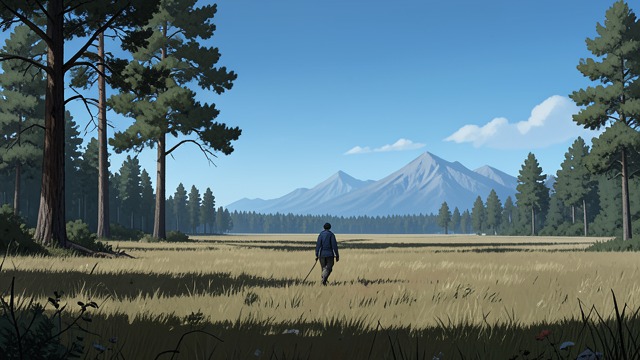
The Country’s Vastness
Freedom in landscape
On journeys to Duplyanka, Zhivago experiences fields and forests as spaces of possibility.
Nature is not scenery alone but a force that awakens thought.
The countryside becomes an enduring emotional reference point.
Moscow’s Crowded Rooms
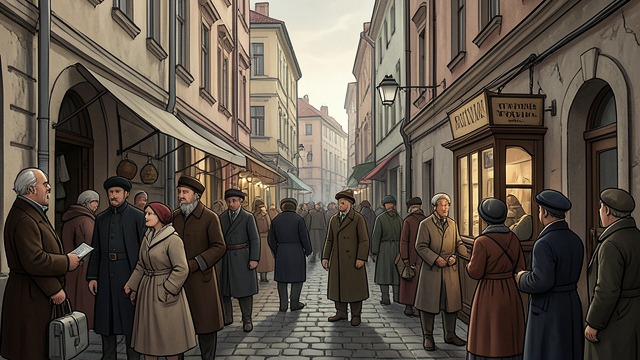
Moscow’s Crowded Rooms
A city of unequal lives
Moscow contains workshops, hotels, fashionable apartments, and neighborhoods devoted to poverty and vice.
Lara and Zhivago encounter social divisions through daily spaces.
The city’s closeness can shelter people or expose them to power.
The Road to the Urals
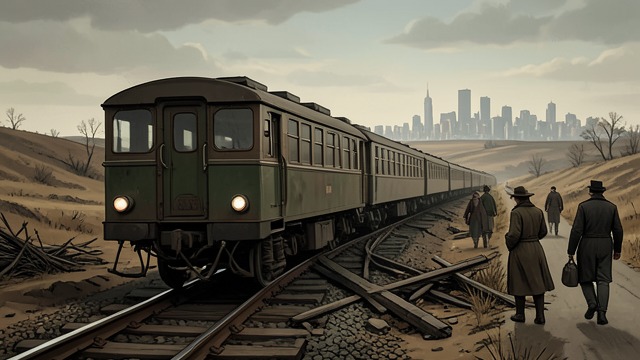
The Road to the Urals
Movement through collapse
The Zhivago family crosses a country altered by war, hunger, and transport breakdown.
Stations and landscapes reveal both human resourcefulness and social exhaustion.
Travel becomes a forced passage between different worlds.
A Library in Yuriatin
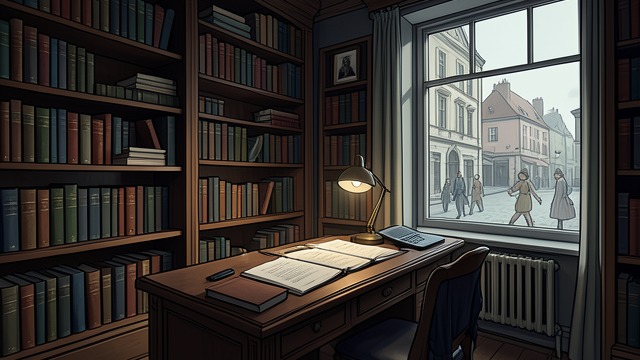
A Library in Yuriatin
A town made intimate
Zhivago studies local history and observes Yuriatin through its library and streets.
The town becomes legible as people, customs, and places accumulate in his mind.
Knowledge arises from attention to particulars, not only abstract systems.
The Modern City in Verse
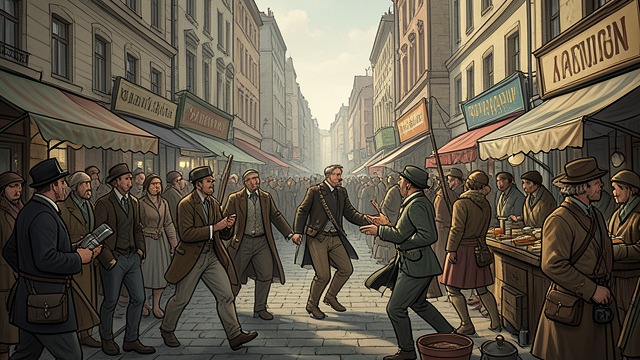
The Modern City in Verse
Urban life as art
Zhivago sees the city’s crowds, streets, and noise as material for modern poetry.
Moscow’s motion offers a living language that pastoral imitation cannot supply.
The city becomes a protagonist rather than a backdrop.
during Zhivago’s early years
during Lara’s adolescence
during the family’s eastbound journey
during the Varykino years
during Zhivago’s final Moscow years
